





 Aditi Sharma
Table of Content
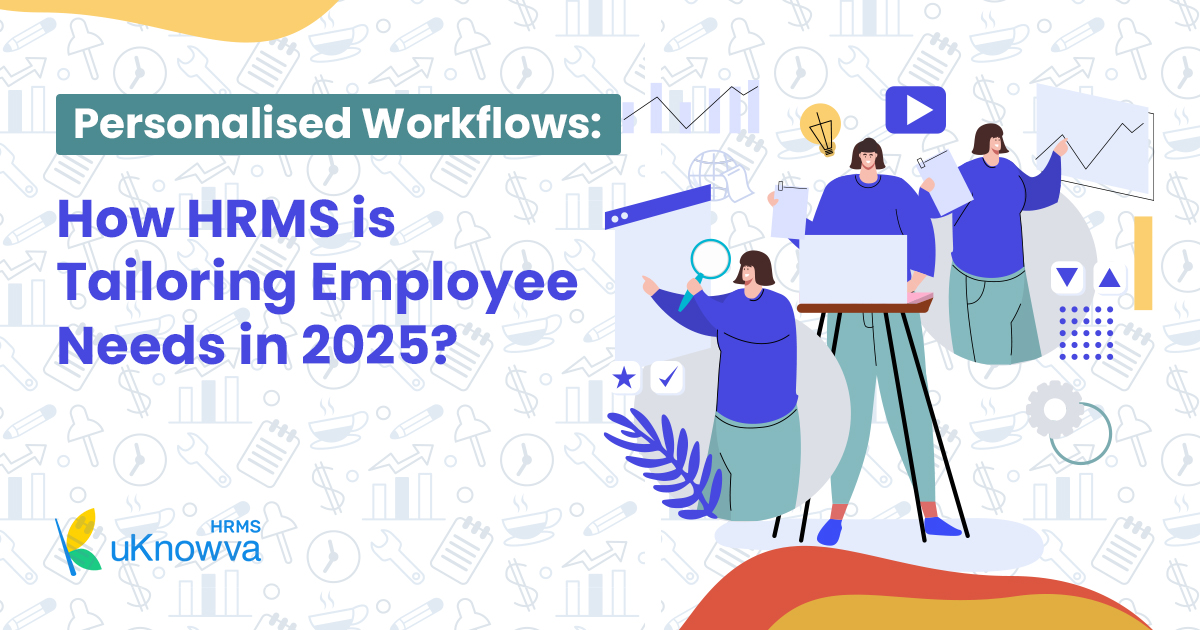
Human resource management systems are at the forefront of a dynamic shift, leveraging advanced technologies to create personalised workflows that cater to individual needs and elevate workplace efficiency.
In the dynamic workplace of 2025, personalisation has become a cornerstone of employee satisfaction and productivity. Employees now expect tailored experiences that align with their unique roles, preferences, and goals.
So, let’s dive right into the mechanisms of the personalised workflows below in case you’re unsure whether to adopt those right away or not.
Traditional one-size-fits-all processes are no longer sufficient in today’s diverse and agile workforce.
Personalised workflows allow organisations to:
HRMS platforms, such as uKnowva HRMS, empower organisations to deliver these personalised experiences by automating and customising workflows at scale.
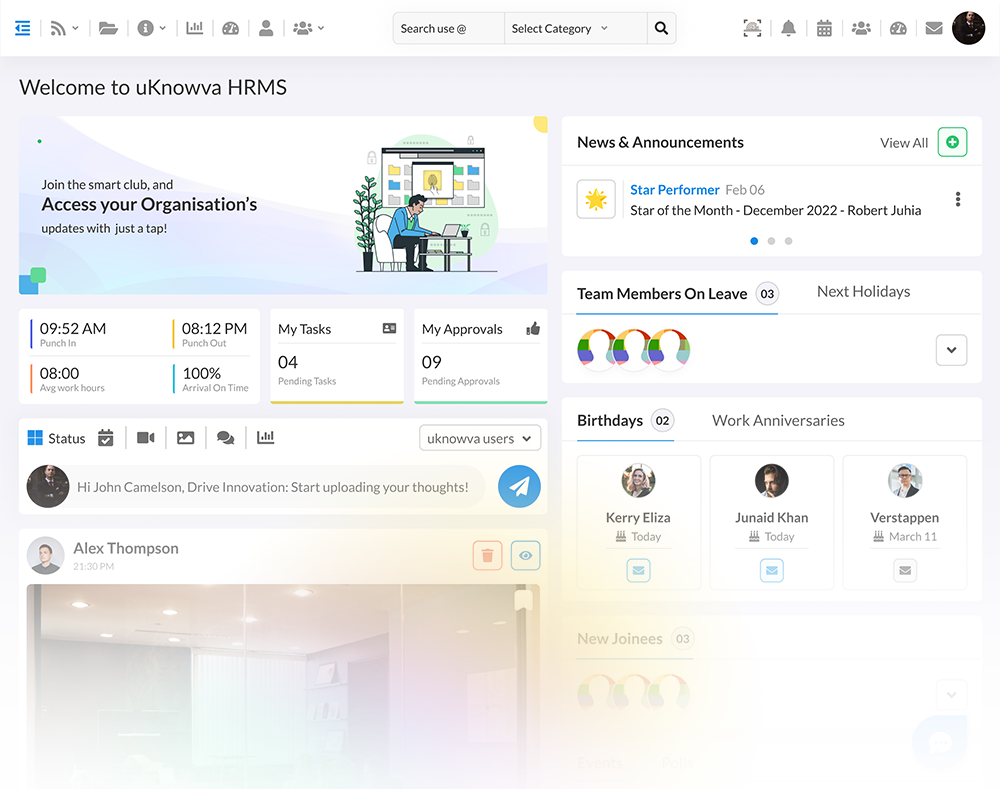
Modern HRMS platforms provide role-based access, ensuring that employees see only the tools, data, and tasks relevant to their roles.
Customisable dashboards further enhance this by displaying personalised KPIs, project updates, and task priorities.
Artificial intelligence (AI) in HRMS enables intelligent task automation.
For instance, AI can:
With hybrid and remote work models becoming the norm, HRMS platforms offer tools for personalised scheduling.
Employees can set their preferred working hours, track productivity, and request flexible arrangements, all within a unified system.
Learning management system integrations in HRMS allow employees to:
HRMS platforms analyse employee preferences to deliver personalised benefits packages. Whether it’s wellness programs, financial perks, or recognition initiatives, these systems ensure that rewards resonate with individual needs and motivations.
Tailored workflows eliminate unnecessary steps and distractions, enabling employees to focus on high-priority tasks.
Automated reminders and task management further boost efficiency.
Organisations that invest in personalisation demonstrate a commitment to employee well-being and development. This creates a positive workplace culture, reducing turnover rates.
Personalised workflows generate actionable insights. HR teams can analyse data to identify trends, optimise processes, and make informed decisions about workforce strategies.
uKnowva HRMS exemplifies the power of personalised workflows. Its user-centric features include:
These features enable organisations to meet the evolving expectations of employees while maintaining operational excellence.
Introducing personalised workflows can be daunting. HRMS platforms like uKnowva HRMS simplify this by offering intuitive interfaces and guided setup processes.
Personalisation requires collecting and analysing employee data. Advanced HRMS platforms prioritise data security with robust encryption and compliance with privacy regulations.
While automation drives efficiency, it’s essential to retain human empathy in HR processes. HRMS like uKnowva HRMS ensure this balance by enabling personalised yet human-centric interactions.
Personalised workflows are transforming the way organisations manage and engage their workforce in 2025.
By leveraging advanced HRMS platforms like uKnowva HRMS, businesses can create tailored experiences that meet the unique needs of employees while driving efficiency and innovation.
As personalisation continues to redefine workplace dynamics, organisations that embrace this trend will lead the way in fostering a satisfied, productive, and future-ready workforce.
Personalised workflows offer several benefits, including:
HRMS platforms are instrumental in enabling personalised workflows by:
Yes, personalised workflows significantly boost engagement by aligning tasks and processes with individual preferences, fostering a sense of ownership and motivation.