-
How Benefits Tech & HRMS Work Together for Global Mobility
Introduction
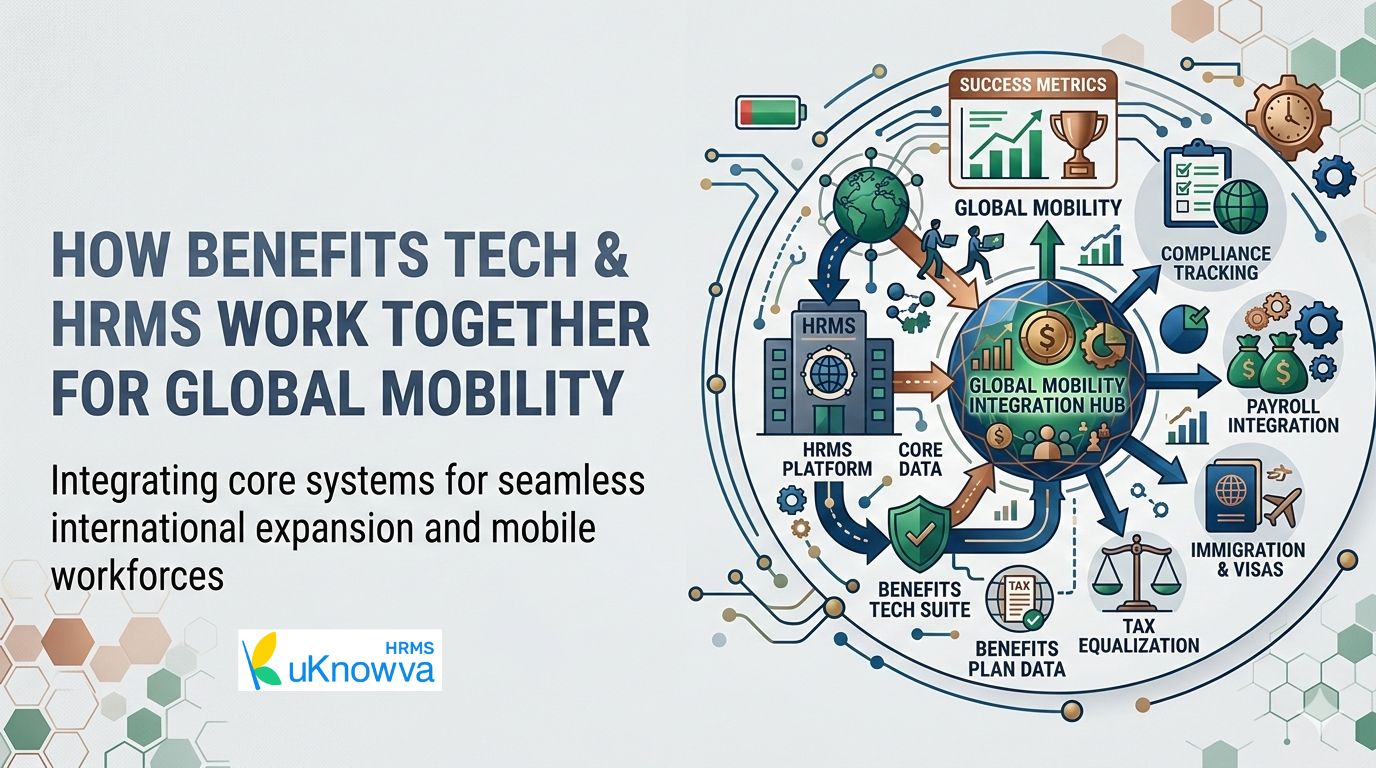
Global mobility cannot remain a niche HR operation any longer it is a strategic focus. The international employee management, expatriate payroll, and compliance has become a complicated matter as organizations continue to cross the boundaries. This is where the technology and HRMS platform collide achieving a single, more effective, and scalable solution.
Through a combination of global mobility software, expat payroll management, as well as international employee benefits as part of a centralized HRMS, organizations become able to optimize operations, comply, and provide employees with a smooth workplace experience.
What Is Global Mobility in HR?
Global mobility in HR is the process of managing multinational employees. These involve relocation, assignments abroad, expatriate management and planning of the work force across borders.
It is not a mere issue of transferring employees but also compensation, tax laws, benefits, visa laws and cultural acclimatization. T...
-
Top Performance Management Challenges Companies Will Face in 2026
Table of Content
What's Changing in Performance Management in 2026?
Modern Performance Management Framework (2026 Model)
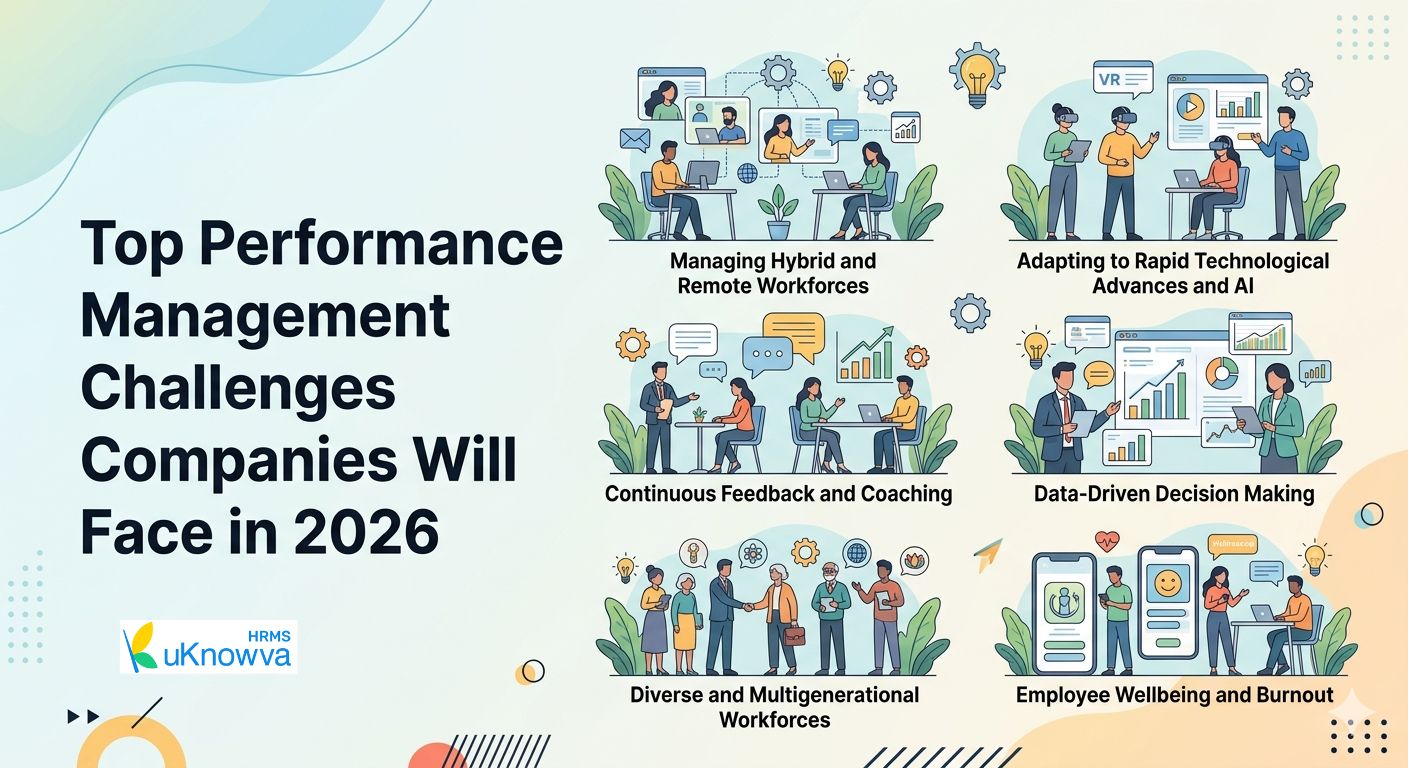
Top Performance Management Challenges Companies Will Face in 2026
How to Solve Performance Management Challenges in 2026
The CHRO’s 13-Point Performance Audit Checklist
Case Studies
The Future: How Companies Will Turn These Challenges Into Strengths
Conclusion
FAQs on Top Performance Management Challenges
Performance management has ceased to be a yearly ritual of ratings and reviews. It is one of the most complicated, high-stakes areas of HR that is standing at the crossroads of AI implementation, regulatory demand, mental well-being of the workforce, and the unstoppable move toward skills-based talent models.
To CHROs and CXOs, it is no longer about whether they are measuring performance, but whether they are measuring the correct things, in the correct manner, to a workforce that does not look anything like it did five years ago.
77% of HR l...
-
Building a People-Centric HR Chat Experience for Your HR Teams
Table of Content
Introduction
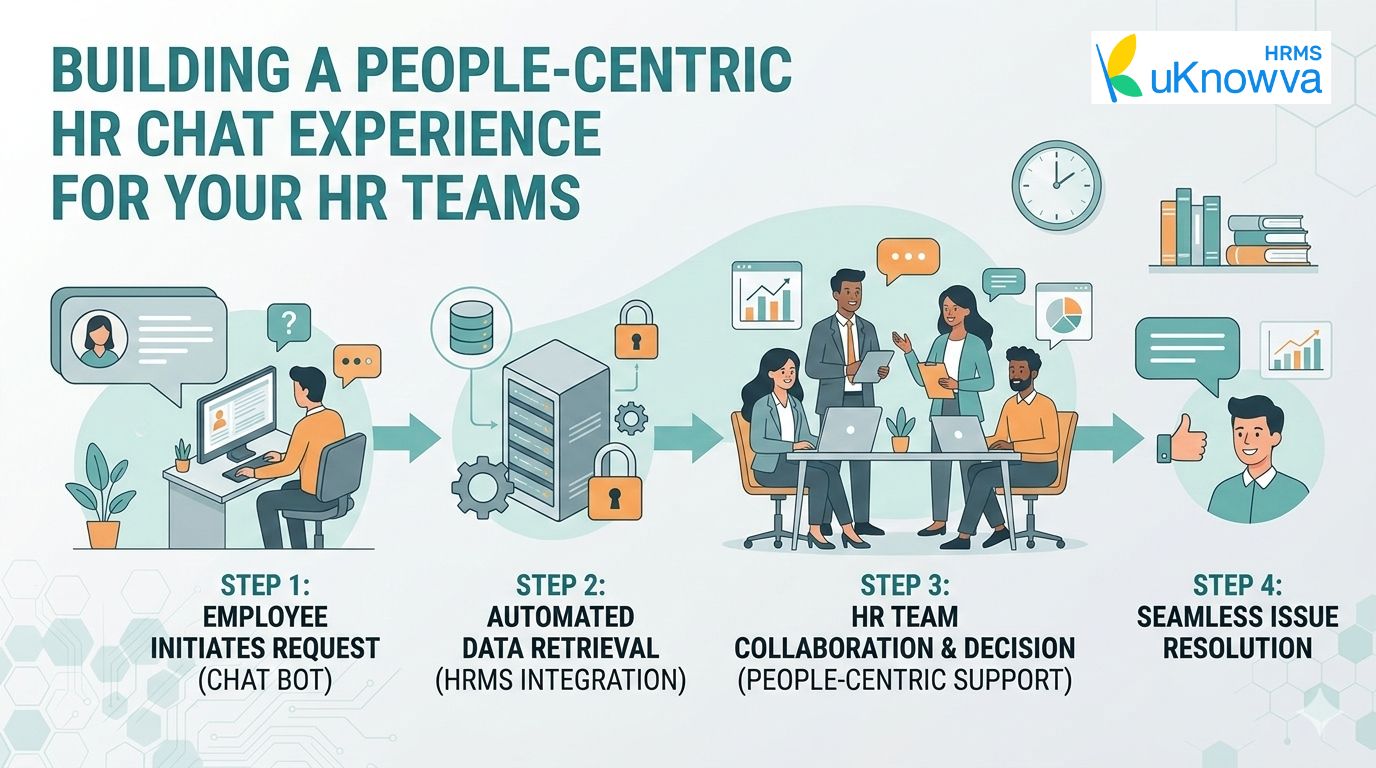
What is a People Centric HR Chat?
Reasons Why The Traditional HR Communication Models are Inadequate
Primary Building Blocks of a People-Centric HR Conversation Experience
The uKnowva HRMS and its role in facilitating HR Chat that is people centric
Advantages of an HR Chat Experience that is people-focused
Challenges to Consider
Best Practices in the Construction of a People Centric HR Chat
The Future of HR Chat: Support Tool to Strategic Enabler
Conclusion
FAQs on HR Chat Experience
Introduction
In the modern constantly connected, digital-first work environment, workers are demanding immediate response, flawless communication, and custom experiences- similar to those they receive on customer-facing websites.
But here's the reality:
As organizations highly invest in customer experience, employee experience tends to trail it behind, particularly in the HR interactions.
It is still taking hours (or days) before employees can get s...