-
What must an AI Coaching Guide Include to Prepare HR to Lead?
Table of Content
Introduction
7 Key Elements of AI Coaching Guide for HR Leaders
Conclusion
FAQs on AI Coaching Guide
Introduction
Is your organisation ready to take the leap into the AI world and reimage HR operations from the start? Then you have to follow the AI coaching guide and ensure ethical use of AI. HR leaders will also have clarity on which types of AI tools they must leverage and optimise team’s productivity.
For instance, the AI tools at uKnowva are encrypted, safe, and secure to use as far as data exchange and storage are concerned. AI tools like chatbots and job description generators for HR leaders help eliminate their manual effort.
Such tools boost productivity, and enhance updated and relatable outcomes, making life easier for an HR manager. So, refer to the detailed guide below and see what must your AI guide include to make your HR leader prepare better for the future.
Want to skip the post?
Schedule a FREE demo.
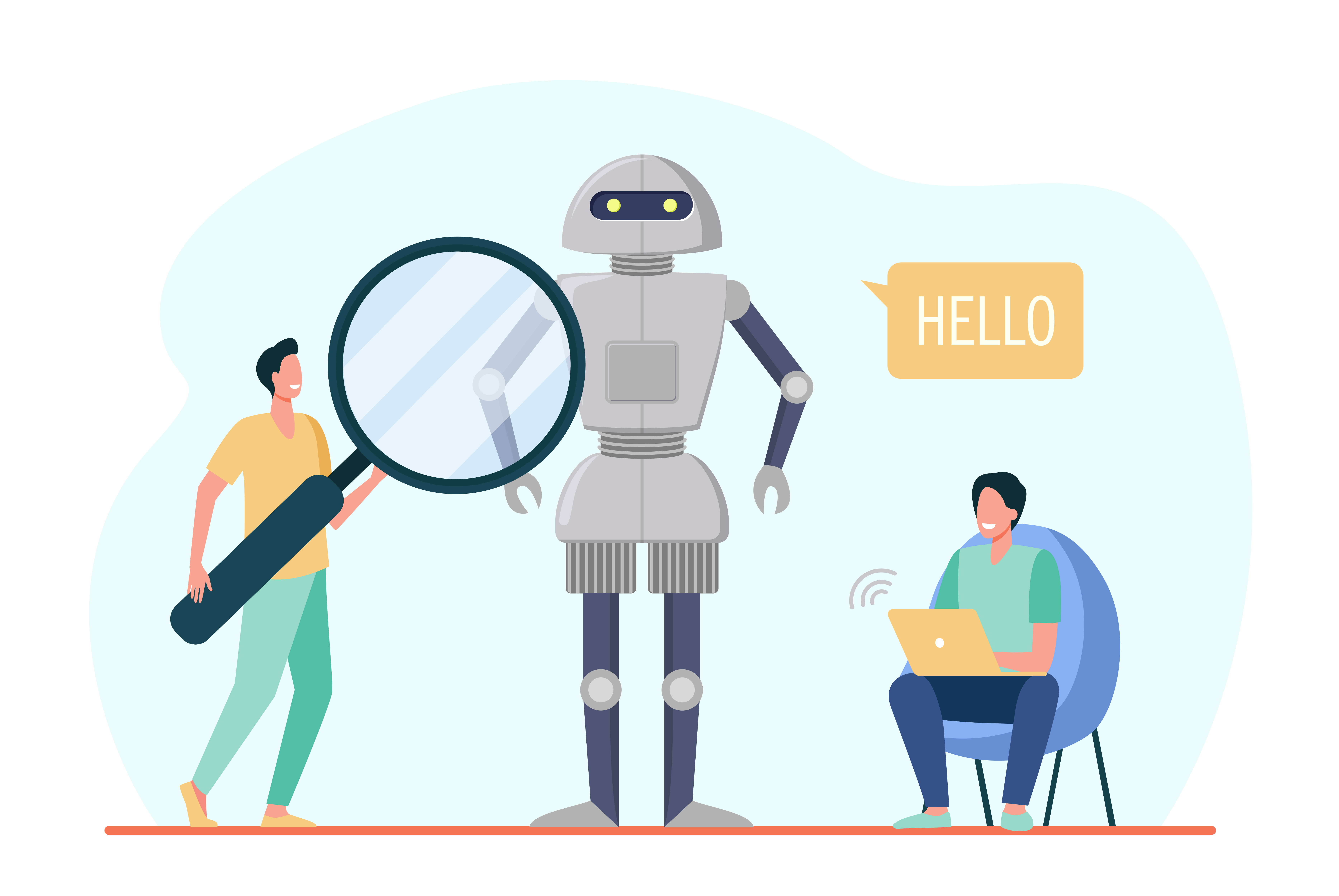
Image Source
7 Key...
-
Dynamic Organisation: What is it and How to Create it?
Table of Content
Introduction
Defining what is a dynamic organisation for HR leaders in 2024
How to create a dynamic organisation with HR management software?
Conclusion
FAQs on Dynamic Organisation
Introduction
Recently, Josh Bersin Company, which is one of the leading and renowned HR advisory firms in the world, termed an agile, adaptive, adoptive, and reactive firm to be a dynamic organisation.
As today’s companies face talent and skills shortages in the market, it is going to be difficult for them to sustain and survive for long. To tackle this crisis, organisations today need to evolve at the speed of the economic changes occurring in the market.
In fact, the same company reported that only 7 percent of the surveyed companies today are ready to evolve and future-ready. Thus, it becomes a primary concern to future HR leaders to decipher the meaning and elements of dynamic organisations first.
Then plan to execute and implement strategies to create dynamic ...
-
What's The Importance Of Employee Development Programs?
Table of Content
Introduction
The Essence of Employee Development Programs
The 5 Top Reasons to Show the Importance of Employee Development Programs
Conclusion
FAQs on Employee Development Programs
Introduction
Organisations are constantly seeking strategies to maintain a competitive edge. Amidst this pursuit, the spotlight shines brightly on the importance of employee development programs.
These initiatives not only empower individuals but also serve as catalysts for organisational growth and innovation.
So, today we will delve into the importance of these programs, uncovering their transformative impact on businesses and employees alike. Stay tuned to the post for reading all the right tips in line with the HR management software.
Want to skip the post?
Schedule a FREE consultation call.
Image Source
The Essence of Employee Development Programs
Employee development programs encompass a spectrum of initiatives aimed at enhancing the digital skills, know...