








 Aditi Sharma
Table of Content
As the summer season ends, many companies struggle with reengaging candidates who might have lost interest or become disengaged during these months.
The job market generally runs low during the summer, as employers and candidates take vacations and pay less attention to hiring.
However, as fall arrives, reengaging becomes critical for organisations as hiring top talents gets competitive.
So, what tricks can you apply to reengage candidates smartly after the summer?
Let's explore new strategies and everything else there is to know about reengaging candidates for better hiring rates.

Reengaging candidates relates to reconnecting or rehiring job seekers who have previously interacted with your organisation. But for some reason, they were not hired or had withdrawn during the recruitment.
These candidates had applied for a role, gave interviews, or registered but were unable to secure a job.
Re-engagement is about reviving their interest and updating them about new openings. It is about maintaining a relationship that could lead to future employment.
Reengaging candidates involves:
The ultimate goal is to keep skilled individuals interested and available when new opportunities come.
Re-engaging with candidates is an important function for HRs due to various reasons:
Not all candidates who apply are the right fit for the current position, but they may be suitable for future roles.
Re-engaging with those candidates builds a pool of qualified, interested individuals to hire when the right opportunities arise.
Maintaining contact with previously engaged candidates helps HR save time. They do not require to start the recruitment process from scratch.
It quickens the hiring process and reduces turnover costs by approaching candidates who are acquainted with the organisation.
Communicating with past candidates regularly shows that the company values people, even if they weren’t hired in the first instance.
This helps boost the company's image as an employer who cares about its relationships, enhancing its attractiveness in front of talented individuals.
Some candidates may not be actively looking for a job when you connect with them.
But by re-engaging with them over time, you can try to keep them interested and it might increase the chances of hiring them whenever they’re ready for a change.
Candidates sometimes lose interest if they don’t hear back from an organisation in record time.
So, by staying in touch with regular news or updates on job opportunities reduces the risk of losing quality talent to competitors.
Talent Acquisition (TA) specialists usually face many challenges when trying to re-engage with candidates. Here are five common problems they face:
Candidate’s Lack of Interest
After an interval of disengagement, candidates may lose interest in the company or the role. Either they may have moved on to other opportunities or have become aloof to outreach efforts.
This becomes difficult for TA specialists to revive their interests and bring them back into the hiring process.
Candidates' situations may have changed since the initial engagement, including job status, skills, or location.
If TA specialists don't have updated information, their outreach might not be relevant or compelling.
Sending irrelevant offers or outdated information can detach candidates more.
Increased Competition
The job market is more competitive post-summer or after a slow hiring period, with multiple companies vying for the same candidate.
Reengaging candidates can be harder when they are being approached by other company’s at the same time.
With candidates having multiple offers in hand, makes it challenging to attract their attention and interest.
Zero Individual Interaction
Generic candidate reengagement efforts, such as bulk emails, are less effective in catching a candidate’s attention.
Candidates often expect personalised communication from employers or hiring managers.
Without the right kind of tools like an Applicant Tracking System (ATS), it’s difficult for TA specialists to efficiently track and manage their applicants' data, interactions, and purse efforts.
Manually reengaging candidates is a time-consuming and fallible process.
Each of these problems highlights the importance of having a disciplined, data-driven, and personalised approach when re-engaging candidates to overcome these hurdles effectively.
Offer competitive salaries and benefits
Personalised candidate engagement
Streamline hiring process
Re-evaluate former candidates
Offer hybrid work options
Boost email marketing with ATS like uKnowva HRMS
Organise virtual events
Increase social media outreach
Speed up skills-based interviews
Engage through employee referrals
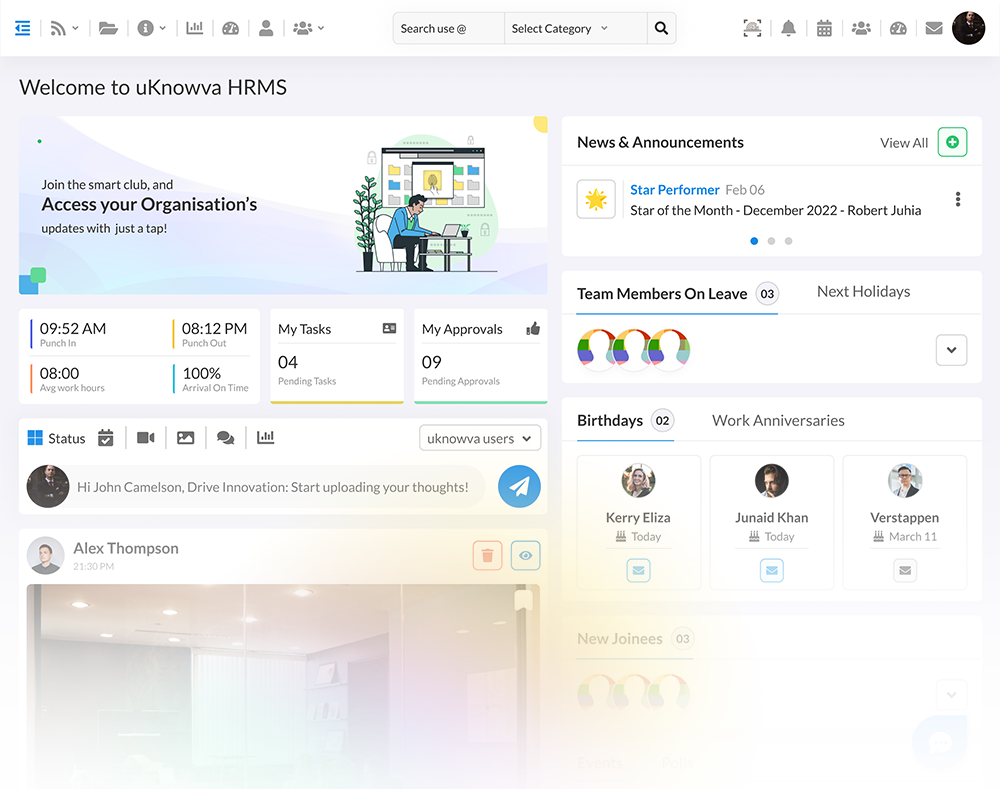
uKnowva, a cloud-based HR software, that helps in reengaging with previous applicants through several smart features. Here’s how:
uKnowva HRMS makes it easier for HR teams to keep passive candidates engaged, streamline communication, and enhance the effectiveness of re-engagement strategies.
Reengaging candidates is important for maintaining a powerful talent pool and improving the hiring process efficiently.
By connecting with passive candidates, companies can easily fill open positions more quickly, reduce recruitment costs, and build long-term relationships with potential hires.
uKnowva HRMS simplifies this process through automated communication, candidate tracking, and engagement tools.
It ensures that teams can easily promote relationships with previously interested candidates, streamlining the re-engagement process and enhancing the overall recruitment experience.
What are the best ways to personalise candidate outreach during re-engagement?
Personalisation can be achieved by referencing previous interactions, mentioning specific roles they applied for, and highlighting why they are a good fit for new opportunities.
Using past communication data from an ATS or CRM system helps tailor the message to the candidate’s interests, skills, and career goals.
How do you handle unresponsive candidates during re-engagement?
For unresponsive candidates, try switching up communication channels. If emails go unanswered, follow up with a phone call, LinkedIn message, or even a personalised video.
Offering updates on new roles, company culture, or exciting projects might pique their interest again.
Be respectful of their time and avoid spamming them.
What tools can help streamline the re-engagement process?
Recruitment tools like Applicant Tracking Systems (ATS), and automation tools are essential for streamlining candidate reengagement.
These systems can automate follow-ups, personalise messages, and track engagement metrics, making it easier to manage candidate relationships.
How can companies re-engage passive candidates who are not actively looking for a job?
To engage passive candidates, focus on relationship-building rather than immediate hiring. Share industry news, company updates, or professional development content that might interest them.
Offering flexible work options or showcasing exciting company projects can draw passive candidates back into the talent pool on time.