








 Aditi Sharma
Table of Content
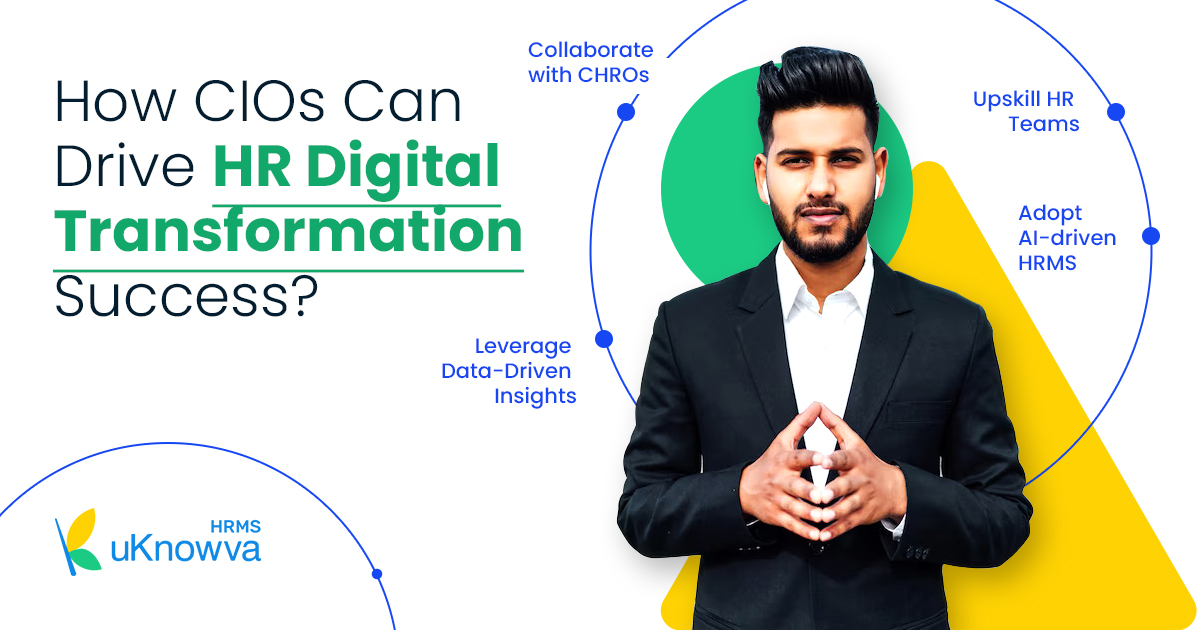
CIOs can drive HR digital transformation by implementing advanced HR software solutions that enhance efficiency, improve employee engagement, and automate HR processes.
In the modern business landscape, digital transformation in HR is critical for organizations aiming to stay competitive.
However, this transformation isn’t just about adopting technology—it requires CIO leadership in HR and CIO and HR collaboration to ensure smooth implementation and adoption.
Let’s dive into how CIOs play a crucial role helping CHROs in transforming HR operations and workforce management seamlessly.
CIOs are responsible for selecting and deploying HR software solutions that align with business goals.
Their leadership ensures:
The CIO’s Role in Modernising HR Software Solutions
CIOs help HR departments transition from outdated, manual systems to cloud-based and AI-driven HR software solutions that:
What is Digital Transformation in HR?
HR digital transformation refers to using technology to enhance HR operations, including:
Key Drivers of HR Digital Transformation
Several factors contribute to the growing need for digital transformation in HR:
A successful digital HR transformation depends on CIO and CHRO collaboration to:
CIOs and CHROs must work together to:
Resistance to Change
Employees often hesitate to adopt new HR technologies. CIOs must ensure proper training and change management strategies.
Budget Constraints
Justifying investments in AI-driven HR software solutions requires demonstrating ROI and long-term benefits.
Integration Complexities
CIOs must ensure seamless integration with existing enterprise systems to avoid data silos.
Data Privacy and Security Concerns
HR handles sensitive employee data, making cybersecurity and compliance critical.
CIOs can drive HR digital transformation for CHROs initially, helping them decide which software to go for to reengineer and unlock continuous business growth.
Also this CIO and HR collaboration makes way for ensuring seamless digital transformation in HR at every stage of ELC.
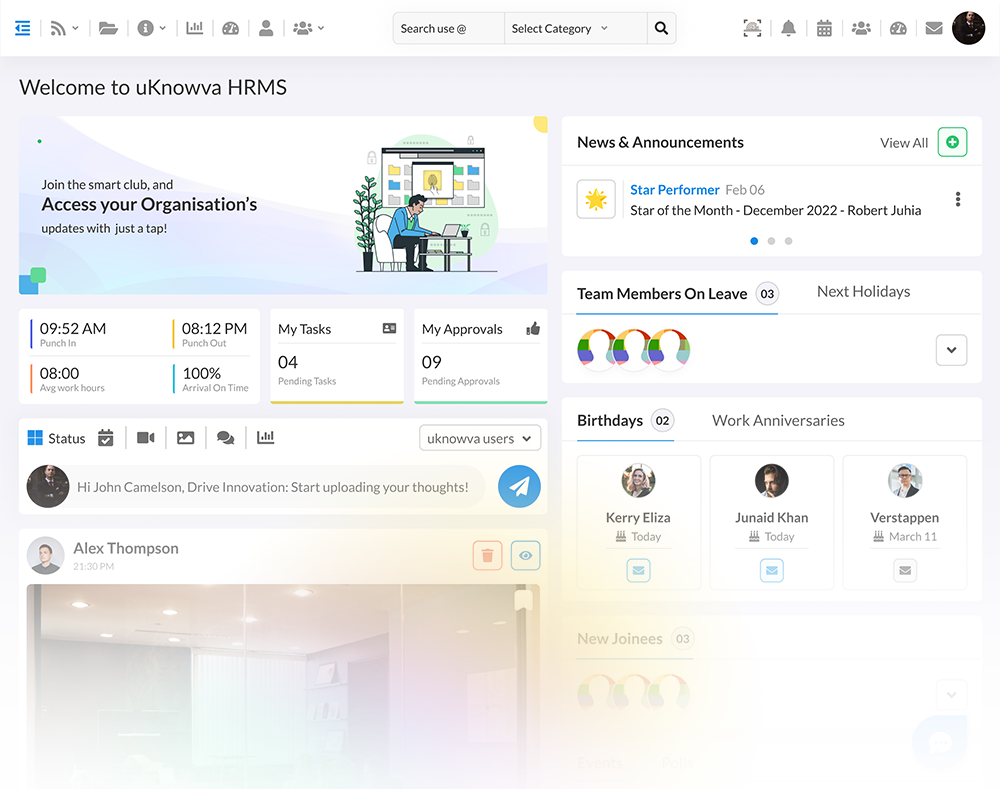
For such collaborations, CHROs and CIOs must trust an ever-evolving, scalable, flexible, AI-driven, people-centric, and future-ready HRMS like uKnowva HRMS.
One of the biggest challenges in HR digital transformation is resistance to change.
Employees and HR teams may hesitate to adopt new technologies due to a lack of familiarity, fear of job displacement, or uncertainty about how digital tools will impact their daily tasks.
To drive successful HR tech adoption, CIO leadership in HR must focus on user engagement, training, and clear communication.
Here’s how:
CIOs should engage HR leaders and employees in the decision-making process to ensure that the chosen HR software solutions meet their needs.
Employees should be trained on how to use new HR technologies effectively. Interactive workshops, hands-on tutorials, and ongoing support can help ease the transition.
CIOs should create a structured change management plan to guide employees through the transformation process. This includes addressing concerns, highlighting benefits, and offering incentives for early adopters.