








 Soumya Sahoo
Table of Content
Organisations are constantly seeking ways to enhance their competitiveness and drive growth. One crucial aspect of achieving these goals is investing in the tech-driven learning and development of employees.
However, traditional methods of training can be time-consuming and are less cost-effective. This is where businesses must learn to enable next-gen and AI-savvy in their workplace.
Follow this blog to know how you can enable tech-driven learning in your workplace and what procedure to follow to establish tech-driven learning.
Want to skip the post?

Integrating technology in organisational learning processes has become paramount for staying competitive.
Embracing tech-driven learning isn't merely an option but rather a necessity to cut through the drags brought by traditional learning systems such as the inability to align training content with the diverse learning preferences of employees, expensive implementation costs, and limited flexibility.
The core of tech-driven learning is its flexibility in adapting to individual learning styles. It empowers your workforce to explore, experiment, and evolve continuously, creating a culture of lifelong learning and professional development.
Moreover, tech-driven learning transcends geographical boundaries, allowing teams to collaborate and share insights regardless of their physical location.
The most handy way to achieve all these sustenances of tech-driven learning in the most organised manner is by anchoring an eLMS into the system. Below are mentioned some of the primary features of an eLMS:
The first step to incorporating technology-driven learning is evaluating the training needs and objectives of your staff. Organisations must utilise surveys, interviews, and assessments to take feedback on individual learning preferences, styles, and areas requiring enhancement. Based on that feedback, you can create customised learning paths that suit each employee and target their particular skill deficiencies. By harmonising training efforts with organisational goals and employee ambitions, you guarantee meaningful, captivating and effective learning opportunities.
Assess the current skill sets of employees through surveys, performance reviews etc., to identify areas where employees lack proficiency in utilising technology for their roles. Evaluate which employee can be leveraged with what specific skills to avoid discrepancies in their current skills and the new ones. This assessment encompasses both technical competencies and digital literacy skills essential for navigating modern workplace tools and platforms. This data-driven approach allows for targeted interventions, such as upskilling programs, certifications, or workshops, aimed at empowering employees to leverage technology effectively in their day-to-day tasks.
Creating training modules with gamification introduces an interactive and engaging dimension to the learning process, enhancing its enjoyment and efficacy. Through the integration of game elements like leadership boards, badges, reviews, ratings, quizzes and system-generated certificates, learners are encouraged to actively engage with and advance through the training material. Gamification boosts retention of knowledge and cultivates a spirit of healthy competition among employees, making the learning experience enjoyable and rewarding.
It’s crucial to choose and deploy the most appropriate digital tools and platforms that align with your training goals and objectives, are scalable without any significant overhauls, are compatible with the existing system, are user-friendly and open to customisation. This might encompass learning management systems (LMS), virtual reality (VR) simulations, mobile applications, and online collaboration platforms.
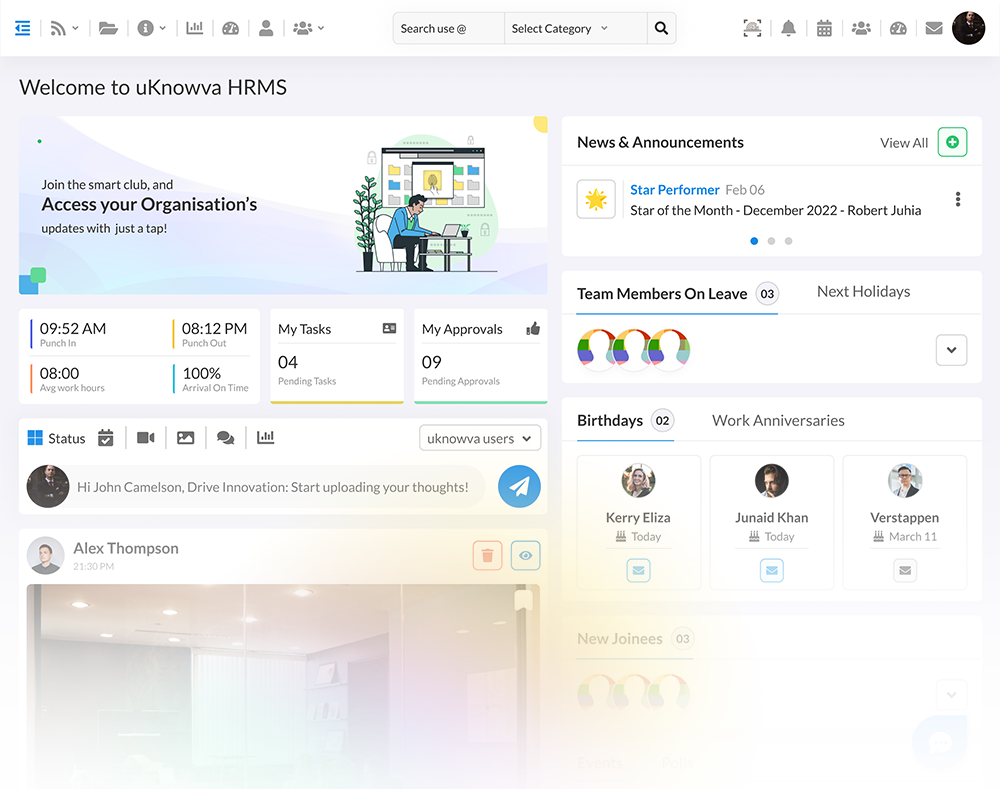
By utilising our advanced eLMS, you can craft immersive and personalised learning experiences that cater to diverse learning styles and preferences. Leveraging a platform that integrates analytics and tracking features enables real-time monitoring of progress and performance, allowing for timely interventions and adjustments to optimise training activities and manage your company’s L&D functions.
Companies must use both quantitative and qualitative assessment methods, such as pre and post-training assessments, surveys, polls and quizzes, feedback forms, and performance metrics, to gather data on learner outcomes, engagement levels, satisfaction, and proficiency gains. With this data assess the impact of training on the alignment of individual and organisational goals, identify new learning patterns, and make data-driven decisions. Regular evaluations and iteration of training programs help companies ensure that they remain relevant, impactful, and aligned with evolving business needs and readdress the training and development initiatives followed by technological advancements.
Enabling tech-driven learning needs sustained updation and check-throughs for firms to thrive and empower their employees to derive the full potential of emerging technologies and apply them to their work.
Embracing an eLearning Management System (eLMS) can make the most out of your tech-driven learning.
Organisations can measure the effectiveness of tech-driven learning initiatives by tracking various metrics such as learner engagement, completion rates, knowledge retention, and performance improvement.
Assessing the return on investment (ROI) involves comparing the costs of implementing the learning program with the tangible benefits achieved, such as increased productivity, reduced training time, and improved employee satisfaction and retention. Utilising learning analytics and conducting regular evaluations can provide valuable insights into the impact of tech-driven learning on organisational goals and objectives.
Organisations can assess their existing technology capabilities, accessibility of learning resources, support for mobile and remote learning, integration with other systems, and the flexibility to adapt to evolving learning needs. Conducting surveys or focus groups with employees can provide insights into their preferences and experiences with the current learning environment. Assessing the alignment of learning objectives with organisational goals and identifying any gaps in skills or knowledge can help determine readiness for implementing tech-driven learning solutions.